

The Lift Initiative
Calm, structured support for students who learn differently.

A dedicated Kite & Key program that gently lifts students with learning difficulties through personalised guidance, clarity, and steady progress.


Adam Walker
Head of Learning Support
Take a minute to write an introduction that is short, sweet, and to the point. If you sell something, use this space to describe it in detail and tell us why we should make a purchase. Tap into your creativity. You’ve got this.
Diagnostic-informed teaching
Clear learning pathways
Calm, patient instruction
Consistent communication with families
A Deep Dive
No two students learn the same. That’s why we created MindPrint — a patented approach that identifies how your child learns, their character type, and the strategies that fit them best. Our method combines nine distinct learning styles with a structured framework that moves students from building strong foundations to developing deeper understanding and critical thinking. The result: lessons that feel natural, last longer, and build real confidence.
What is “The Key Method” ?
We encourage you to book a free consultation to see how we can tailor our learning solutions to your child.
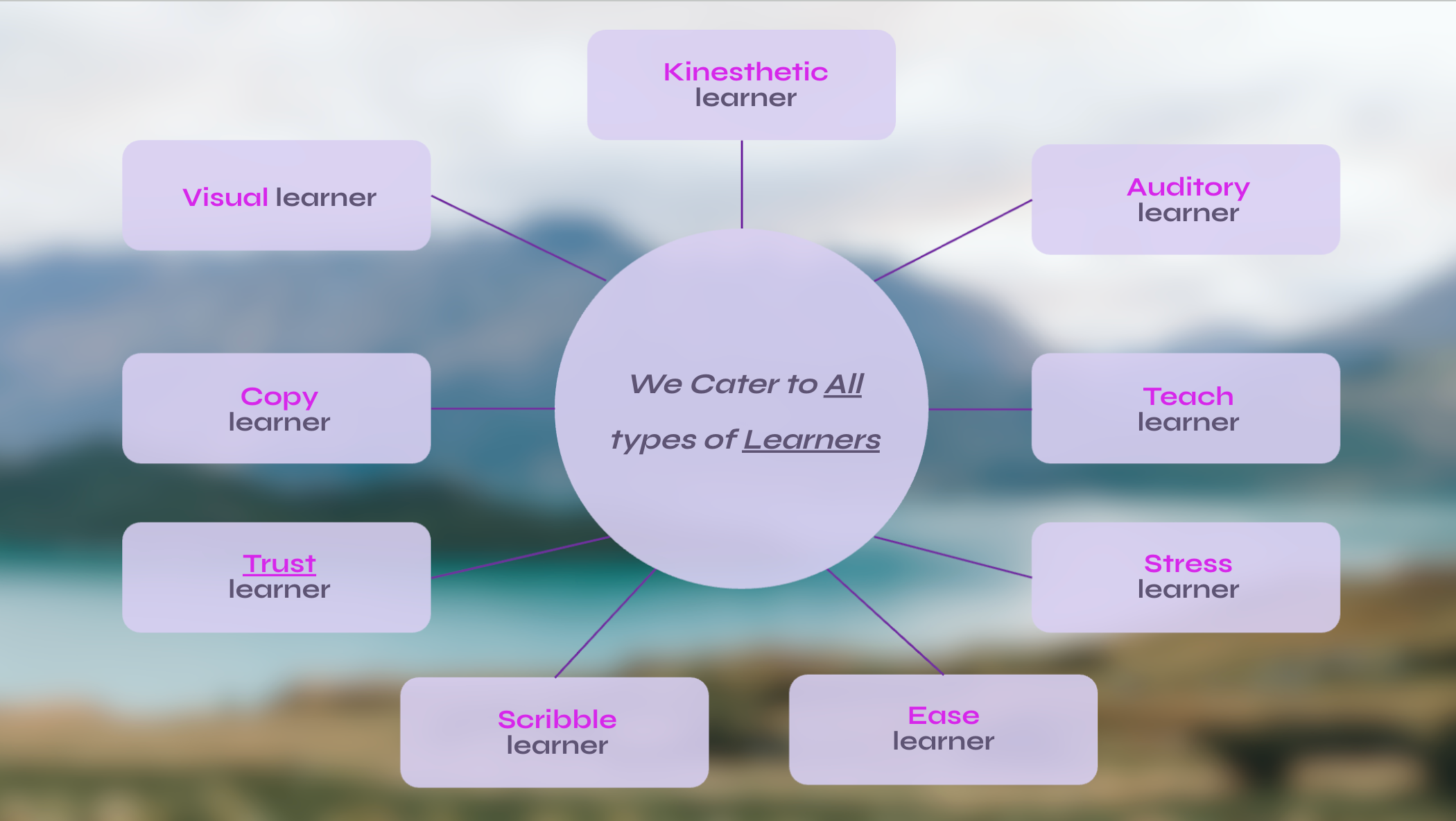
The problem: Traditional schooling often relies on a one-size-fits-all approach to teaching, which doesn’t cater to the diverse ways students learn. As a result, only a portion of students thrive, while many are left behind simply because the initial method of instruction didn’t match how they best absorb information.
The truth is, every learner- whether a parent, student, or individual - has unique cognitive patterns that determine how effectively they retain knowledge. For example, imagine explaining that “the mitochondria is the powerhouse of the cell” and that “cytoplasm is only found in plant cells.” If you’re an auditory learner, you might forget this by tomorrow unless it was reinforced through listening. The way information is delivered makes all the difference.
Every parent hopes their child will achieve beyond the ordinary. The reality is, they can- but only if the right methods are used. Without addressing these differences in learning, many children fall into a cycle of underperformance and lost motivation.
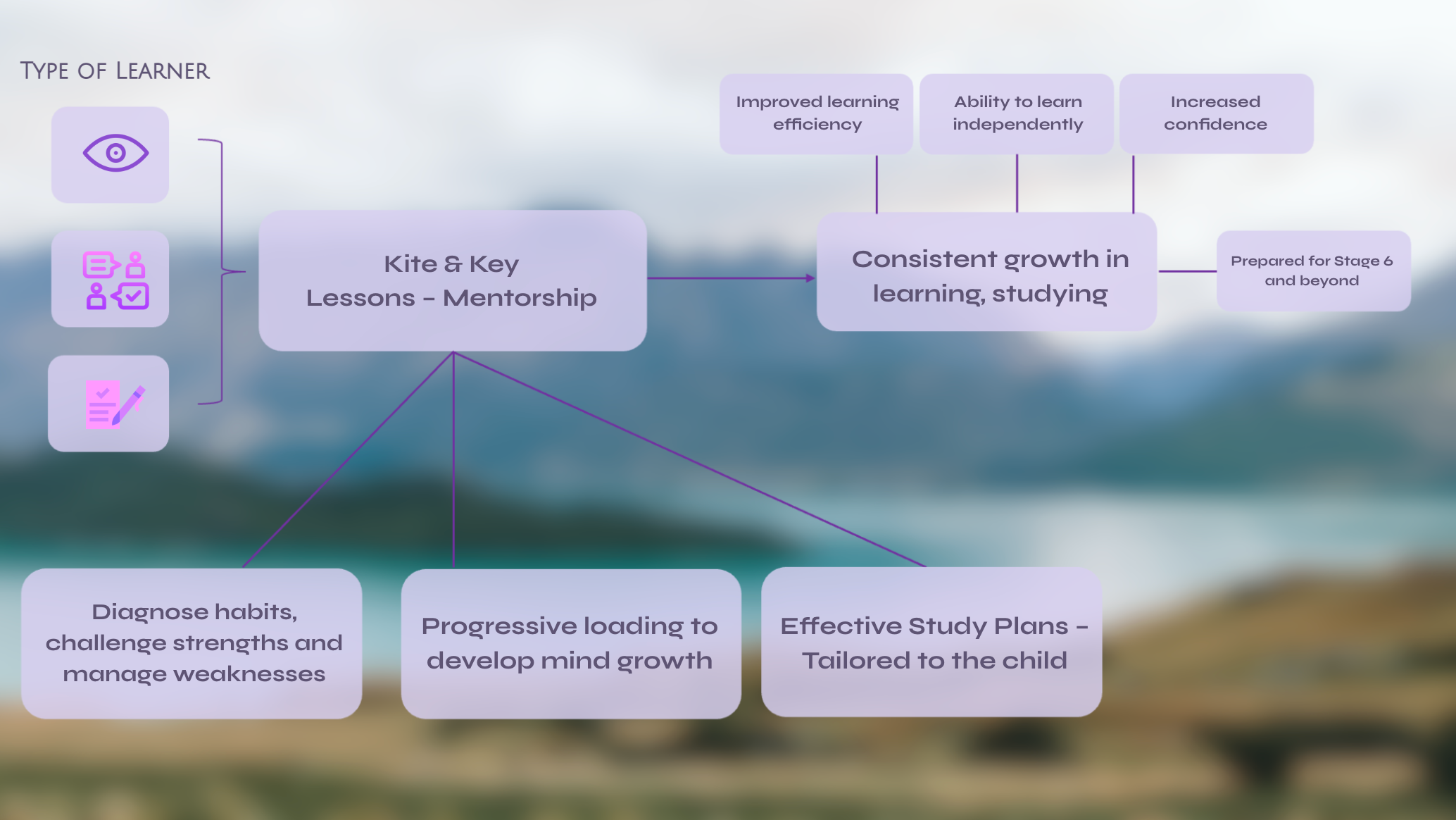
At Kite & Key Academy
We know every child learns in their own way — and our teaching is built to honour that. We:
1. Discover Their Learning Style
With our trademark MindPrint, we uncover how your child naturally absorbs and processes information. This gives us valuable insight into their study habits and learning patterns.
2. Teach in the Way They Learn Best
No two students are the same, so we don’t teach them the same way. Our lessons are tailored to match your child’s learning style, making study sessions more effective, less stressful, and easier to enjoy.
3. Build a Blueprint for Long-Term Success
We design a personalised blueprint that helps your child lock knowledge into long-term memory while reshaping their study methods. Ineffective habits are replaced with proven strategies that set them up for lasting success.
Why We’re Different
Traditional study methods often rely on more hours — which leads to frustration, burnout, and limited progress. At Kite & Key, we reverse that approach. We teach smarter methods over longer hours, so effort truly pays off.
By aligning learning with your child’s natural style, we open the door to higher-order learning: moving beyond memorisation to analysing, applying, evaluating, and creating.
The End Goal
Our mission is to mentor students into independent learners who can confidently adapt their own study methods. This independence lasts far beyond the classroom — giving them the tools to succeed not only at school, but in university, work, and life..
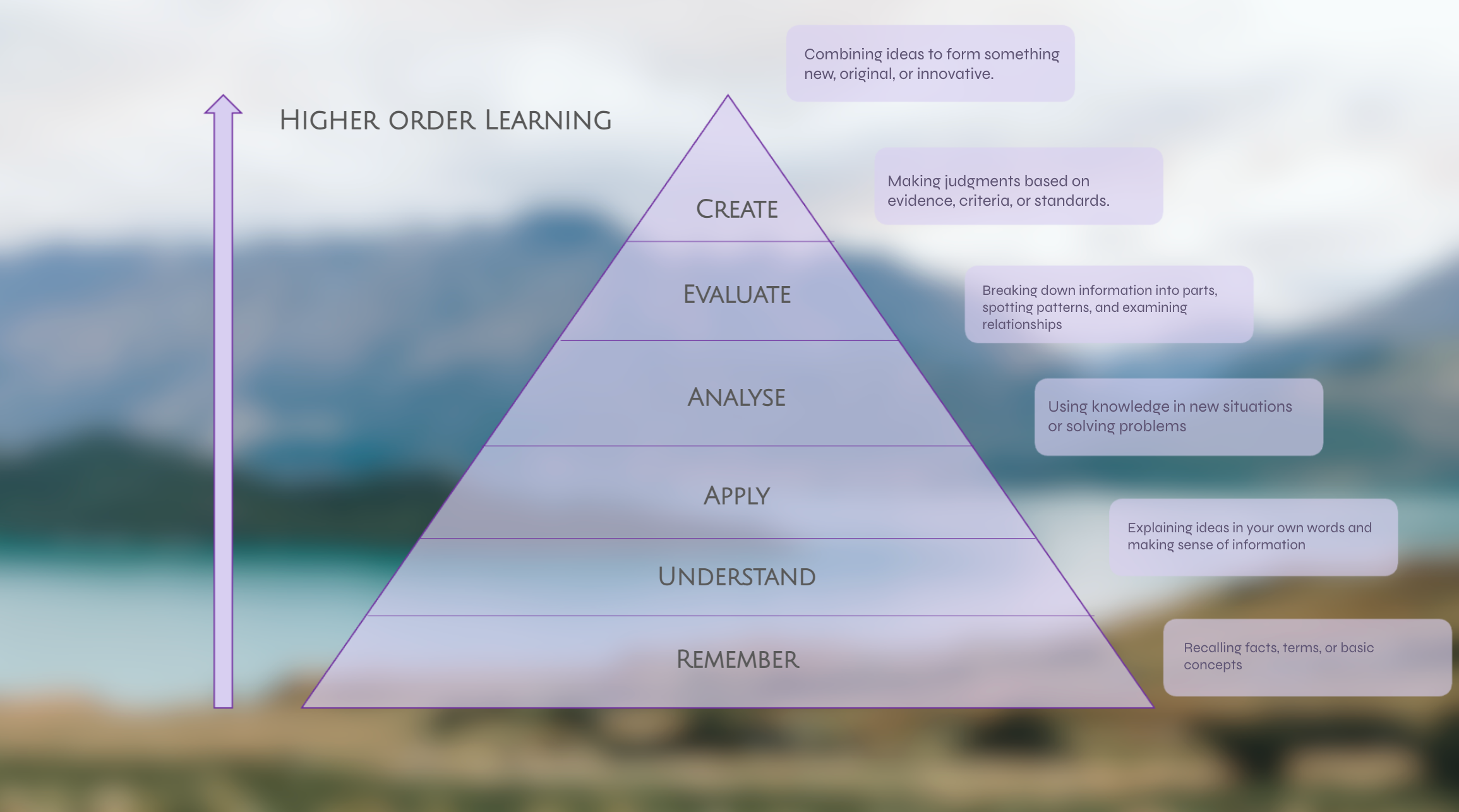
Bloom, B. S. (Ed.). (1956). Taxonomy of educational objectives: The classification of educational goals. Handbook I: Cognitive domain. Longmans, Green.